She/her
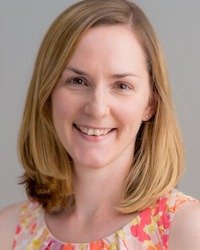
Pamela is the Director of the Bath Mental Health Research Group and the Principal Investigator. In addition, she serves as Co‑Investigator for research theme 4, which aims to Improve outcomes after adverse childhood experiences. Pamela specialises in developing and evaluating psychological interventions, including cognitive-behavioural therapy (CBT) and mindfulness based interventions. Pamela is a psychosis expert in both her research and clinical work, and is a HCPC registered Clinical Psychologist, with a background in NHS practice working across inpatient and community services for adults with complex needs. Pamela has led the founding of the MHRG and is responsible for the overall running of the MHRG, ensuring that the mission statement of the MHRG is embedded throughout all its activities in working to improve the health and wellbeing of children and young people in the Bath, Swindon, and Wilshire region and beyond.
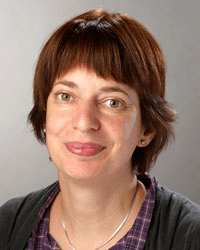
Ailsa is a clinical psychologist and researcher. The main focus of her research is how best to adapt mental health interventions to meet the needs of autistic people. Ailsa is the deputy director of the Bath MHRG with specific responsibility for workforce development and training.

She/her
Andie has 15+ years experience in supporting mental health organisations and 30+ years in management, including managing the therapy, mediation and court services at the Institute of Family Therapy. Once a plane-flying drag queen, she now prefers listening to podcasts and slow cooking.

Jess looks after the day-to-day running of our Bath MHRG research centre. She helps set up smooth processes to keep the centre growing and works on tasks like financial reporting, governance, and building partnerships. Jess is also a main point of contact for academics, NHS teams, schools, local authorities, and charities. With a background in psychology and experience supporting youth mental health, Jess is enjoying the opportunity to learn how research is carried out while strengthening her organisational skills.

Lucy brings with her a wealth of experience from over 10 years of working in PPI roles, as PPI lead on other NIHR projects and in training clinical Psychology Doctorate trainees. Lucy, bringing her own lived experience of mental health difficulties and using services, is passionate about improving research, understanding and treatment of mental health difficulties through compassionate, evidence based treatment. She is excited to be working with young people in the area as co-lead for the Youth Advisory Group for the Mental Health Research Group and as lead in the team for PPI involvement throughout all aspects of the MHRG’s research. Lucy is passionate about ensuring young people’s thoughts, views, perspectives and experiences are woven integrally through all research and subsequent intervention design and is keen to find creative, engaging ways to hear all young people’s voices and perspectives. Lucy strives to to empower young people and to provide opportunities for upskilling them to be heard and to truly co-produce research which in turn will lead to better outcomes for young people’s treatment. She is really keen that involvement feels meaningful and rewarding for the individuals involved as well as being beneficial for the research and researchers and hopes the Mental Health Research Groups work will improve young people’s mental health in the region and help young people get the help they need when and how they need it.

She/they
Harriet is an experienced youth and community worker in the youth mental health space, bringing this knowledge and experience to the research group. They have experience working with lived experience and marginalised groups to amplify those voices and brings this to the role supporting Bath MHRG to involve a range of people meaningfully in research. Harriet brings experience of working in the local area and is leading on connecting organisations and academics to develop collaborative engagement opportunities. She is developing and leading the Youth Advisory Group for the Bath Mental Health Research Group focusing on core principles of youth involvement and public and patient involvement. They also support the academic team to develop PPI work and public facing events to create mutually beneficial involvement work with young people and professionals across the Banes, Swindon and Wiltshire area. She has been developing the website, newsletter and social media for the group ensuring that the work of the group is communicated effectively for digital public engagement.


Ceri Brown is an education researcher whose work explores children and young people’s wellbeing, identity, and sense of belonging across school and post-school transitions. Her research focuses on how social relationships, institutional practices, and structural inequalities shape children’s educational outcomes and lived experiences, with particular attention to those facing socio-economic disadvantage, and young people at risk of becoming NEET. Ceri is co-founder of Connected Belonging, an educational research team dedicated to strengthening engagement, inclusion, and wellbeing through collaborative, applied research with schools, communities, and international partners. She is committed to research that informs policy and practice and foregrounds the voices of marginalised young people.

Jeff is an Associate Professor at the University of Bath, specialising in the application of psychology and behavioural science to physical activity, mental health, and digital self-management interventions. He is a Chartered Psychologist with the British Psychological Society (BPS) and a Fellow of the Higher Education Academy.
His research focuses on the development and evaluation of innovative, evidence-based approaches to promote physical and mental wellbeing, with a particular emphasis on leveraging digital technologies to improve accessibility, engagement, and effectiveness. Within the Bath Mental Health Research Group, Jeff leads research into digital self-help for common mental health difficulties, working closely with Maria and Atiyya to co-develop and evaluate single-session interventions (SSIs) for young adults aged 19–25. He also co-leads the spotLight on Adolescent and young adult Mood Problems (LAMP) research group.
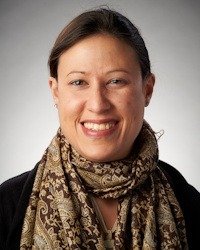
Maria is a Professor, Clinical Psychologist and NIHR Advanced Fellowship holder based in the Department of Psychology. Her research focuses on improving early access to help for adolescents experiencing depression symptoms, using barrier free digital single session interventions (SSIs). In the Mental Health Research Group, she is working with Jeff and Atiyya to expand this work to young adults (age 19-25). She co-leads the spotLight on Adolescent and young adult Mood Problems (LAMP) research group. She is passionate about involving young people in research as advisors and co-researchers, and about making a real world difference by enabling young people to thrive in their lives.

Atiyya is a postdoctoral research associate working with Jeff and Maria, to adapt and evaluate single-session interventions (SSIs) for young adults aged 19-25. She is a mixed-methods researcher with a range of experience working on randomised control trials (RCTs) to develop the evidence base for youth mental health interventions, including in school-based and social care contexts. She is also passionate about cultural adaptation of mental health interventions for youth from ethnic minority backgrounds.

Graeme is a Professor in the Department of Psychology and leads the research theme Supporting Young People with Behavioural Difficulties or Neurodivergence within the Mental Health Research Group. He is interested in youth mental health and developmental psychology, and has a particular interest in neurodevelopmental disorders and neurodivergence in children and adolescents. He is also an active member of the Child Mental Health and Development, Neurostim, Bath Anxiety and Mood Disorders and Addiction and Mental Health research groups and co-chairs the ENIGMA Antisocial Behavior working group which is a global collaboration seeking to understand how antisoclal behaviour and conduct disorder are related to the brain.
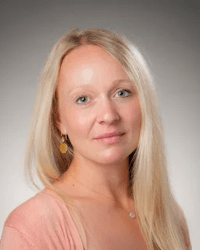
Katherine Button is Associate Professor in Clinical Psychology at the University of Bath. Her research examines the cognitive mechanisms that contribute to common mental health problems and how this understanding can be used to improve treatment and outcomes in routine care. She has extensive experience evaluating psychological therapies, including work with large randomised controlled trial datasets and NHS Talking Therapies datasets to understand patterns of engagement, predictors of treatment response, and the measurement of clinical change—particularly minimally important clinical differences relevant to recovery. This grant represents a shift toward children and young people (CYP) with additional needs (e.g., neurodiversity), expanding on Katherine’s earlier focus on adult anxiety and depression. She is looking forward to using linked electronic health records to map care pathways for CYP with additional needs, evaluate treatment outcomes, and identify practical targets to improve access and recovery in routine services.

Rosie is a Post-Doctoral Research Associate working on research which aims to understand what support is available for young people experiencing behavioural/attentional difficulties, and how families navigate accessing this support. Rosie is also currently working on developing guidance around implementing evidence-based interventions and service change for children’s social care as part of a placement with a Department for Education funded organisation (Foundations). Her research interests span across health and social care, with a particular focus on understanding and improving the support that children and families receive from statutory services, primarily using mixed-methods and drawing on implementation science. She is passionate about including lived-experience voices in her work and ensuring that research has an impact on both policy and practice. During her PhD, Rosie was awarded the International Society for Traumatic Stress Studies award for Outstanding Student Advocacy and Service, for her commitment to working alongside young people in care and with the professionals who support them.

He/him
Kieran is a PhD researcher who works closely with the work package 2 team within the Bath Mental Health Research Group. He has completed a BSc in Neuroscience at the University of Exeter, and has worked in applied health research since the placement year of his undergraduate degree in 2022. His research interests include children and young people’s mental health, with a particular interest in neurodevelopmental disorders (e.g. ADHD and autism), and the functioning of related health systems. Previously, Kieran worked on a project aiming to understand young people with ADHD’s experiences of primary care, and his current PhD has allowed him to carry on similar work in a different context. Work package 2 will be following families over 3 years, aiming to better understand the healthcare provision for children and young people with behavioural and attentional difficulties. Kieran supports the delivery of this wider project, whilst building up his own research alongside it where he aims to capture the experiences of families on the pathways of accessing support.

After completing her BSc in Psychology and MSc in Applied Clinical Psychology at the University of Bath, Vyara is now continuing her academic journey at the Bath Mental Health Research Group as a PhD student. Her research explores how neurodevelopmental needs and mental health outcomes of children and young people are identified, assessed, and recorded within electronic health records (EHRs). Working in collaboration with Mayden, an industry-leading digital health company, Vyara will analyse large-scale EHR data to better understand and ultimately improve access to care and treatment outcomes for neurodivergent children and young people with mental health needs. This work builds naturally on her prior research and clinical experience. In the two years before starting her PhD, she supported students with neurodevelopmental and special educational needs across primary, secondary, and further education settings, alongside contributing to an international research project examining cohort data from children and adults with Developmental Language Disorder. Vyara aims to integrate her first-hand clinical insight with data-driven research to harness the potential of electronic health records and improve mental health services for this underserved population.
She/her
Cody is a research assistant within the Bath MHRG, utilising large-scale longitudinal data to examine mental healthcare provision for children with neurodevelopmental conditions. Cody is a mixed-methods researcher and, alongside this role, is completing a PhD at the University of Bath on the mental health of care-experienced children and young people in the UK.
Rawan is a research assistant working on work package 2 of the MHRG. She holds a UCL MSC in Clinical mental Health Sciences. She has been working in applied psychology research since her undergraduate and she has experience in mixed-methods research with families, children and young people. Rawan is involved in the planning and delivery of a series of mixed-methods studies in WP2 including a qualitative cross-sectional study with CYP, parents and professionals and a large longitudinal study with CYP and parents/carers.
2. Supporting Young People with Behavioural Difficulties or Neurodivergence

She/Her
Melissa is a placement student in the Bath MHRG. She is studying BSc Psychology with Sport and Exercise Science at the University of Exeter. Within her team, Melissa contributes to the preparation and delivery of a qualitative interview study and a mixed-methods longitudinal cohort study. This research seeks to understand current healthcare provision for young people with behavioural and attentional difficulties. With experience working with children and young people, her role involves collecting quantitative and qualitative data from children and
their families.

Ella is a placement student in the Bath MHRG and is currently in her third year of studying BSc Psychology at the University of Exeter. As part her team, she investigates the healthcare provision and experiences of young people with attentional and behavioural difficulties. Ella has experience working with children, parents, and families and contributes to the preparation and delivery of the qualitative study involving children, parents, and professionals, as well as the mixed-methods longitudinal study with children aged 9–12 and their parents/carers. Her role involves preparing the studies and collecting both quantitative and qualitative data. This research builds on her clinical experience, working with neurodiversity and special educational needs through her role as an Assistant Psychologist. She is committed to contributing to meaningful and impactful research to support young people and their families.their families.
Nicki is currently developing an outreach intervention aimed at improving mental health and reducing isolation for Autistic cyp and cyp with social communication difficulties and no diagnosis and moderate/severe mental health difficulties who are not engaging with CAMHS treatment. She has been awarded Research Capability Funding from AWP NHS Trust and is currently on secondment at Bath university in order to learn more about research in preparation for an NIHR application for Research for Patient Benefit. Nicki has a background in Psychology (BSc Sussex Uni) and has trained in various therapeutic and behavioural interventions (MA – CBT for children and families at UCL/Anna Freud Centre – Research with Autistic children talking about their experiences of OCD), Play Therapy – MA (historical equivalent) – Roehampton University and training in Applied Behavioural Analysis through PEACH. She has worked in CAMHS service’s in Surrey and in Bristol in both the Primary Mental Health team and the Community CAMHS Team for over 16 years.

Tom Freeman is Professor Psychology at the University of Bath. He is internationally known for his research on cannabis and cannabinoids. This includes observational studies characterising changes in cannabis products and their association with addiction and mental health outcomes, novel harm reduction strategies such as the standard THC unit (similar to the standard alcohol unit), the potential of cannabidiol to influence the effects of cannabis, and clinical trials of cannabidiol as a treatment for cannabis use disorder. He is currently funded by a UKRI Future Leaders Fellowship, and is deputy lead of the Drugs theme of the NIHR Policy Research Unit in Addictions. His research has generated impacts with the US National Institutes of Health Research, the European Union Drugs Agency, the National Institute of Health and Care Excellence, and the Advisory Council on the Misuse of Drugs.
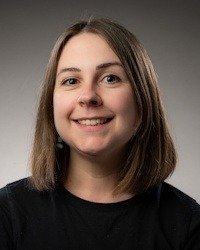
She/Her
Dr. Lindsey Hines is a Lecturer in Psychology and Co-Director of the Addiction and Mental Health Research Group at the University of Bath. Her research focuses on the epidemiology of substance use and mental health during adolescence and young adulthood, with an emphasis on understanding how patterns of cannabis and other drug use influence mental health outcomes, psychosocial development, and risk behaviours. Through large-scale longitudinal and cohort studies, Dr. Hines aims to generate evidence that informs prevention, early intervention, and policy in youth mental health and substance use.
Gyles Cozier is a Research Associate in the Department of Life Sciences at the University of Bath. His research experience includes a background of working on protein structure and function, where projects have included using X-ray crystallography to support drug discovery to develop treatments for cancer and hypertension, and using assays/cell imaging to improve understanding of cell signalling to identify therapeutic targets. More recently he has been involved in projects developing fluorescence based portable detectors of illicit drugs. In particular, the development of a hand-held device that can instantly detect synthetic cannabinoids (Spice) on paper, herbal material and fabric, with prototypes helping to reduce the influx of these drugs into multiple prisons in the United Kingdom and USA. This technology has been acquired by a global company and will be commercially available in 2026. Additionally, we provide an analytical testing service for UK regional police forces to identify illicit drugs in samples of concern that have caused overdoses/deaths. This allows harm reduction communication and warnings about dangerous batches of drugs in circulation.
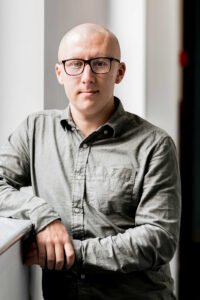
Dr Jack Spicer is a Senior Lecturer in Criminology with a particular focus on issues relating to illicit drugs. His research interests include the functioning of illicit drug markets, the enforcement of drug laws and critical analysis of drug policy. He is primarily a qualitative researcher, using ethnographic and interview-based approaches to develop in-depth insights to help better understand, explain and reduce drug related harm. Over recent years this has led to him writing extensively on the emergence of ‘County Lines’ drug supply, the exploitative drug market practice of ‘cuckooing’ and the application of harm reduction principles to drugs policing. He is committed to generating impact from his research, regularly contributing to practitioner events, public engagement initiatives, parliamentary enquiries and media outputs. This has included him being invited to provide oral evidence to the Home Affairs Select Committee as part of their recent review of illicit drugs.

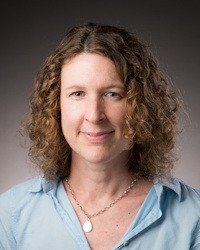
Sarah Halligan is Professor of Child and Family Mental Health at the University of Bath. Her research examines the development of trauma-related psychological disorders, particularly posttraumatic stress disorder (PTSD), with a focus on young people. In the PTSD field, Professor Halligan has studied the cognitive-behavioural, biological and social factors that contribute to disorder following trauma exposure, working with both national and international populations. The latter research particularly focuses on children and adolescents living in contexts where levels of trauma exposure are markedly high. More broadly, Prof Halligan studies the wider mental health and physical health consequences of trauma, across groups including populations affected by acute trauma, looked after children and sanctuary seeking families. Prof Halligan is particularly interested to learn how parents and others can support children and adolescents who are struggling with mental health problems, and to identify potential intervention targets.
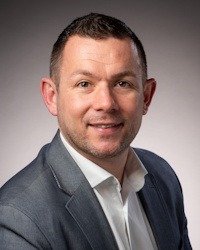
James is Professor of Metabolic Physiology at the University of Bath, where he is Co-Director of the Centre for Nutrition, Exercise & Metabolism and Chair of the Biomedical Sciences Research Ethics Committee. His research employs randomised controlled trials to study the effects of nutrition on metabolic regulation, the findings of which have been published in scientific papers in top-ranking scholarly journals. A particular focus of his work has been to examine the links between nutrient timing and human health, for which James was awarded the Nutrition Society Cuthbertson Medal at the Royal Society of Medicine for ‘excellence in clinical nutrition and metabolism research’. James contributes widely within the University, having supervised many doctoral students through their research training; his integration of research into teaching was recognised by the University’s Mary Tasker Award for excellence in teaching. James has served as Editor-in-Chief of the International Journal of Sport Nutrition & Exercise Metabolism since 2019.
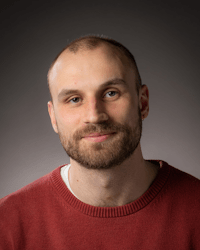
He/him
Tom is a post-doctoral research associate working to co-develop and evaluate mental health interventions for young people at risk of developing severe mental health conditions. Tom is a mixed-methods researcher, passionate about working with people with lived experience in research. He has previously worked on projects about experiences of dehumanisation, psychosis, and mindfulness. Alongside his research experience, Tom has worked as an Assistant Psychologist and Support Worker in mental health services, including charities, university, and the NHS.
Caledonia (Callie) is a PhD student with an interest in improving physical and mental health outcomes for children and young people, and a particular interest in psychological and lifestyle interventions. For instance, Callie’s MSc dissertation reviewed the effectiveness of pharmacological and psychological interventions for methotrexate intolerance in children and young people with juvenile idiopathic arthritis. Callie completed her MSc in Clinical and Health Psychology at the University of Manchester, before working as a Research Assistant in the NHS. In this role, she worked on various trials examining psychological therapies for children with distressing sensory experiences, mindfulness based therapy for persecutory delusions, Metacognitive Therapy for anxiety, and an innovative cardiac rehabilitation programme for children with congenital heart disease. Within MHRG she works on exploring early interventions for trauma exposed youth, with a focus on physical activity interventions. Callie is based in the Department for Health, which offers opportunities to examine potential mechanisms underpinning intervention effects, including factors such as stress reactivity.

Hobbies and Interests: Digital Art, Singing, Video games, watching anime. Interested in voice acting.
Why I got involved with Bath MHRG? Honestly I just wanted to help out others so they don’t have to go through what I had to go through.
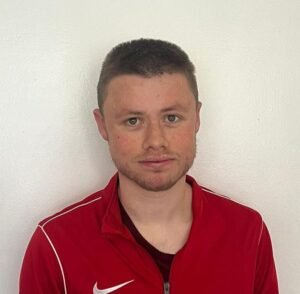
Hobbies and Interests: Gaming and watching sports
Why I got involved with Bath MHRG? I wanted to bust the myth that disabled people don’t suffer with mental health

Hobbies and Interests: Painting, sketching writing, baking Art, nature and creative arts
Why I got involved with Bath MHRG: I got involved with MHRG because I believe mental health has such a big impact on society and there is still so much to learn about it, even today, which is why the project caught my eye.
Hobbies and Interests: Films, Writing and Social Research!
Why I got involved with Bath MHRG: I’m passionate about using my lived experience to ensure that young people can access youth services and achieve positive outcomes. I’m particularly interested in the interaction between substance use and neurodiversity.
Hobbies and Interests: Long Distance Running and Yoga
Why I got involved with Bath MHRG: I wanted to make a meaningful difference in research helping me turn some negative experiences into a positive
Hobbies and Interests: Crochet and reading murder mystery books
Why I got involved with Bath MHRG: I loved the idea of using my unique life experience to better others
Hobbies and Interests:
Why I got involved with Bath MHRG:
Hobbies and Interests:
Why I got involved with Bath MHRG:
Hobbies and Interests:
Why I got involved with Bath MHRG: